Lake Life In Warren County: What Buyers Should Know
May 7, 2026
May 7, 2026
Dreaming about mornings on the water in Warren County? It is easy to picture the view first, but the smart move is to understand how lake life actually works before you buy. If you are considering a full-time home, seasonal retreat, or second property here, knowing the differences between lakes, seasons, and shoreline rules can help you make a more confident decision. Let’s dive in.
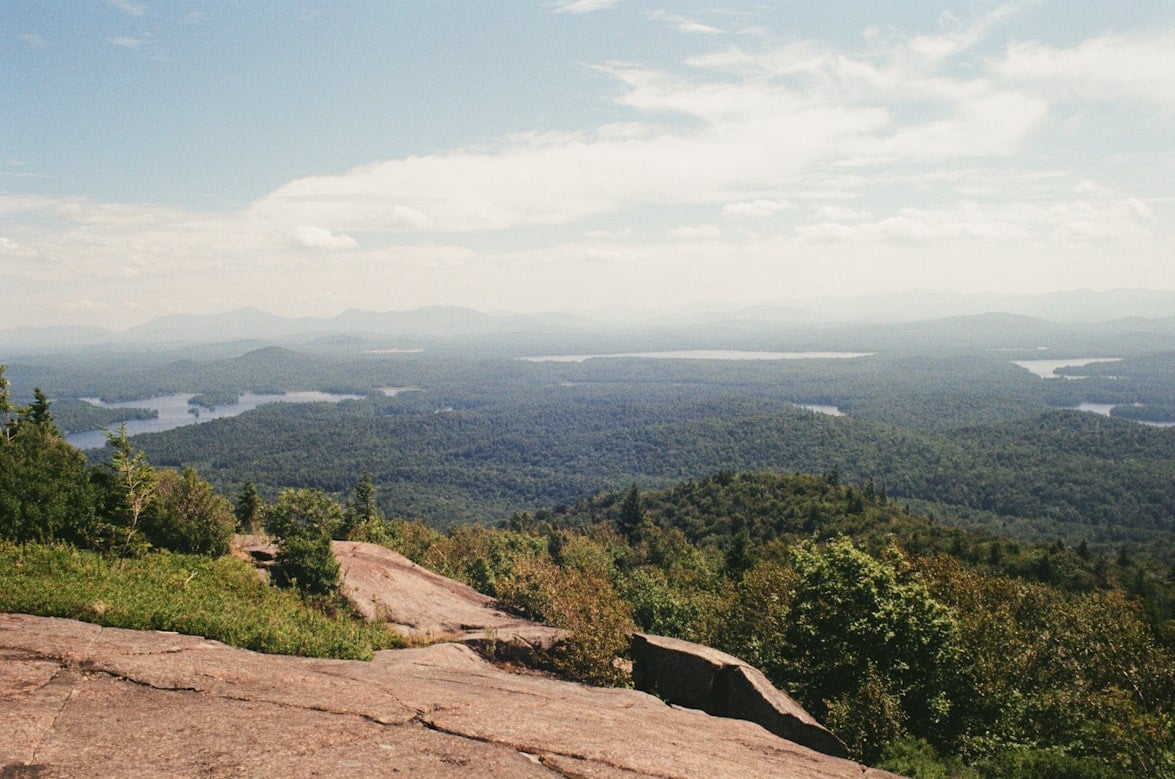
Warren County offers a very specific kind of Adirondack lifestyle. According to county water-quality materials, the county has over 25 lakes, dozens of streams, and more than 50 miles of the Hudson River. More than 90% of the county is forested, which gives many properties a water-and-woods setting rather than a dense shoreline feel.
Lake George anchors the market, but it is not the whole story. The broader Lake George Area includes communities such as Bolton, Queensbury, the Village of Lake George, Johnsburg, Hague, Chester, Lake Luzerne, Warrensburg, Horicon, Glens Falls, and Thurman. For buyers coming from the Capital Region or downstate, the area is also practical to reach via I-87, about 60 miles north of Albany and roughly 220 miles north of New York City.
Not every lake property in Warren County delivers the same experience. Lake George is the flagship, listed by Warren County at 28,170 acres with 176 miles of shoreline and an AA (Special) water-quality classification. Visit Lake George describes it as a 32-mile lake known for exceptionally clear water and mountain views.
Smaller lakes can feel much more intimate. Brant Lake, for example, is listed by Warren County at 1,376 acres with 16.4 miles of shoreline, also with an AA (Special) classification. That difference in scale matters because your day-to-day experience, privacy, boating patterns, and shoreline feel may be very different depending on where you buy.
A larger lake often brings more activity, more destinations by boat, and a broader mix of property types and settings. A smaller lake may feel quieter, more compact, and more centered on a close-in waterfront lifestyle. Neither is automatically better. It comes down to how you want to use the property.
If you are weighing options, it helps to think beyond the view. Consider how much activity you want around you, how important boating access is, and whether you want a high-energy summer base or a more tucked-away retreat.
Warren County is very much a four-season market, and that should shape your buying decision. Visit Lake George describes summer as the peak season, when boating, beaches, attractions, and events are in full swing. Warren County EMS says the county’s average population of about 60,000 can rise above 150,000 during summer months and special events.
That summer energy is part of the appeal for many buyers, but it is only one season. Winter brings a much quieter pace, along with skiing, snowmobiling, ice skating, ice fishing, and winter events. Visit Lake George notes there are more than 300 miles of mapped and maintained snowmobile trails in the area, which shows how active the cold-weather season can be.
Regional climate normals near Glens Falls also highlight how distinct the seasons are. The winter mean temperature is 22.7°F, while the summer mean temperature is 67.5°F. In practical terms, the same home can feel like a lively vacation hub in July and a peaceful retreat in January.
If possible, try to picture the property in more than one season. A road, driveway, dock area, wooded lot, or waterfront setup may feel very different in peak summer than it does in late fall or winter. This is one reason local guidance matters so much in Warren County.
A buyer focused only on a sunny summer showing may miss key questions about year-round use, maintenance, or access. Looking at the property through a practical lens can help you avoid surprises later.
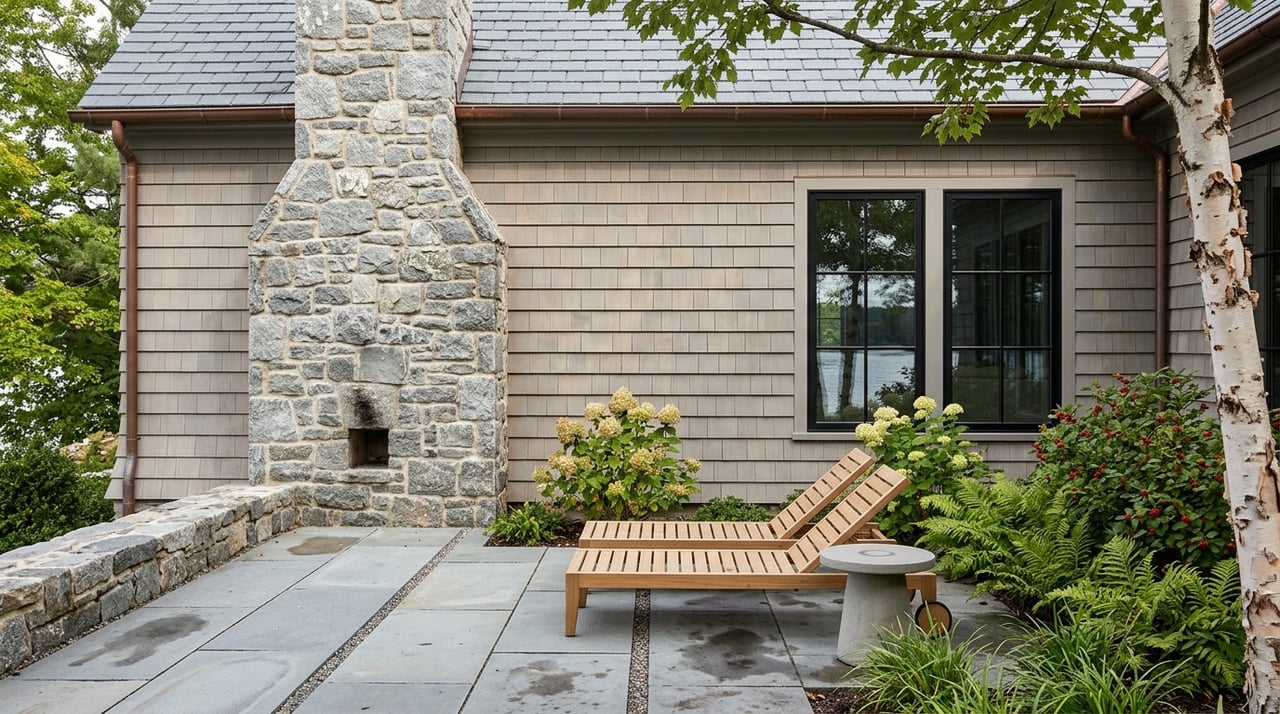
Lake homes in Warren County are not all built from the same mold. The region’s vacation history helped shape a wide range of properties, from older seasonal camps and rustic cottages to Great Camp-style homes and more conventional year-round residences in towns and hamlets.
The National Park Service notes that the Adirondack camp era ran from 1877 to 1949 and that Adirondack Rustic design often used native materials like log and stone. That influence still shows up across the market today. You may find homes with character, craftsmanship, and unique settings, but also homes that require closer review for condition, systems, and long-term upkeep.
Charming details are only part of the picture. In a market with older camps and waterfront homes, buyers should also pay attention to construction quality, updates, structural condition, and how the home functions for the way they plan to use it. A property that feels perfect for occasional summer use may be very different from one that works comfortably year-round.
This is where a valuation-focused approach can be especially helpful. Looking carefully at quality, layout, improvements, and maintenance needs can give you a clearer sense of value before you make an offer.
In Warren County, especially on Lake George, waterfront ownership comes with meaningful rules and responsibilities. These are not minor details. They can affect your budget, your timeline, and how you use the property.
The Lake George Park Commission requires all trailered boats launched on Lake George between May 1 and October 31 to be inspected at one of five regional inspection stations. The inspection is free. The Commission says five invasive species are currently present in the lake, and more than $7 million has been spent on control and eradication efforts.
If you plan to keep or use a trailered boat on Lake George, inspection rules should be part of your routine planning. Buyers coming from other lake markets may not expect this process, but on Lake George it is an important part of protecting water quality. It is also one of the clearest practical differences between Lake George and some smaller inland lakes.
You should never assume a dock can simply be added, replaced, or expanded. The Lake George Park Commission says a permit is required for new construction or modification of a dock or mooring, and docks and moorings must also be registered annually. Complete applications go through notice and review periods, including opportunities for comments from adjacent owners, the town, and the Adirondack Park Agency.
That means shoreline improvements should be treated as regulated projects, not quick upgrades. If a property’s dock setup is important to you, make that part of your due diligence early.
Lake George also has special navigation rules that can affect how owners and guests use the water near shore. The Commission states that launching a boat without inspection and invasive-species removal is unlawful, and in certain areas anchoring or recreating is prohibited within 200 feet of shore along private property.
For buyers, the takeaway is simple: waterfront enjoyment here is real, but it comes with structure. Knowing the rules upfront helps you choose a property that matches your expectations.
Septic and wastewater review should be high on your checklist, especially if you are considering an older waterfront home. The Lake George Park Commission says wastewater treatment systems in the Lake George basin must be pumped out at least once every ten years, or every five years for systems subject to the inspection program.
Warren County’s water-quality committee also points to concerns related to stormwater runoff, erosion and sedimentation, and failing septic systems. For a buyer, that means septic is not just a box to check. It can be a meaningful ownership cost and a core part of protecting the lake environment.
Some buyers focus heavily on cosmetic updates and underestimate infrastructure costs. On lake properties, systems below the surface can matter just as much as the kitchen, view, or deck. If septic condition or location is a question, it is wise to investigate it thoroughly during due diligence.
Warren County also offers a septic replacement initiative for eligible properties in priority areas. The program can cover up to 50% of eligible costs, with a maximum reimbursement of $10,000 per project. That will not apply to every property, but it is useful context when planning for ownership.
Buying in Warren County is often about more than finding a pretty waterfront setting. You are also weighing lake scale, seasonal use, regulatory limits, housing style, and maintenance realities. The strongest purchases usually happen when beauty and due diligence are given equal weight.
That is especially true in a market shaped by older camps, wooded lots, and waterfront regulations. A careful review of condition, quality, and likely future costs can help you understand not only what a home is worth today, but what ownership may really look like over time.
If you are considering lake life in Warren County, it helps to work with an advisor who can look past the surface and help you evaluate both lifestyle fit and property fundamentals. When you are ready to talk through your options, Daisy Blair can help you approach the search with clarity and confidence.
With a proven track record across the Capital Region, she elevates every real estate transaction. Whether you are selling your property or buying a new home, her deep market knowledge ensures a seamless experience. Connect with her for exceptional, results-driven service you can trust.
102 VAN RENSSELAER SQ STE L RENSSELAER, NY 12144