Buying A Historic Home In Columbia County
June 25, 2026
June 25, 2026
Wondering whether a historic home in Columbia County is a dream find or a costly surprise? If you are drawn to old-house character, wide floorboards, original windows, brick chimneys, or a classic farmhouse setting, you are not alone. The key is knowing how to separate true long-term value from repairs that can quickly change your budget. Let’s dive in.
Columbia County has a deep architectural history, with homes and buildings that reflect several different eras and styles. Public sources note the county was founded in 1786, and the area includes more than 50 public heritage sites. That backdrop helps explain why buyers here often come across older farmhouses, village homes, and properties with preserved period details.
Historic housing in the county can include Dutch Colonial, Georgian, Federal, Greek Revival, Italianate, Queen Anne, Bungalow, and other vernacular forms. Common materials include clapboard, wood frame construction, brick, and stone. In practical terms, that means the homes you tour may vary widely in age, structure, and maintenance needs.
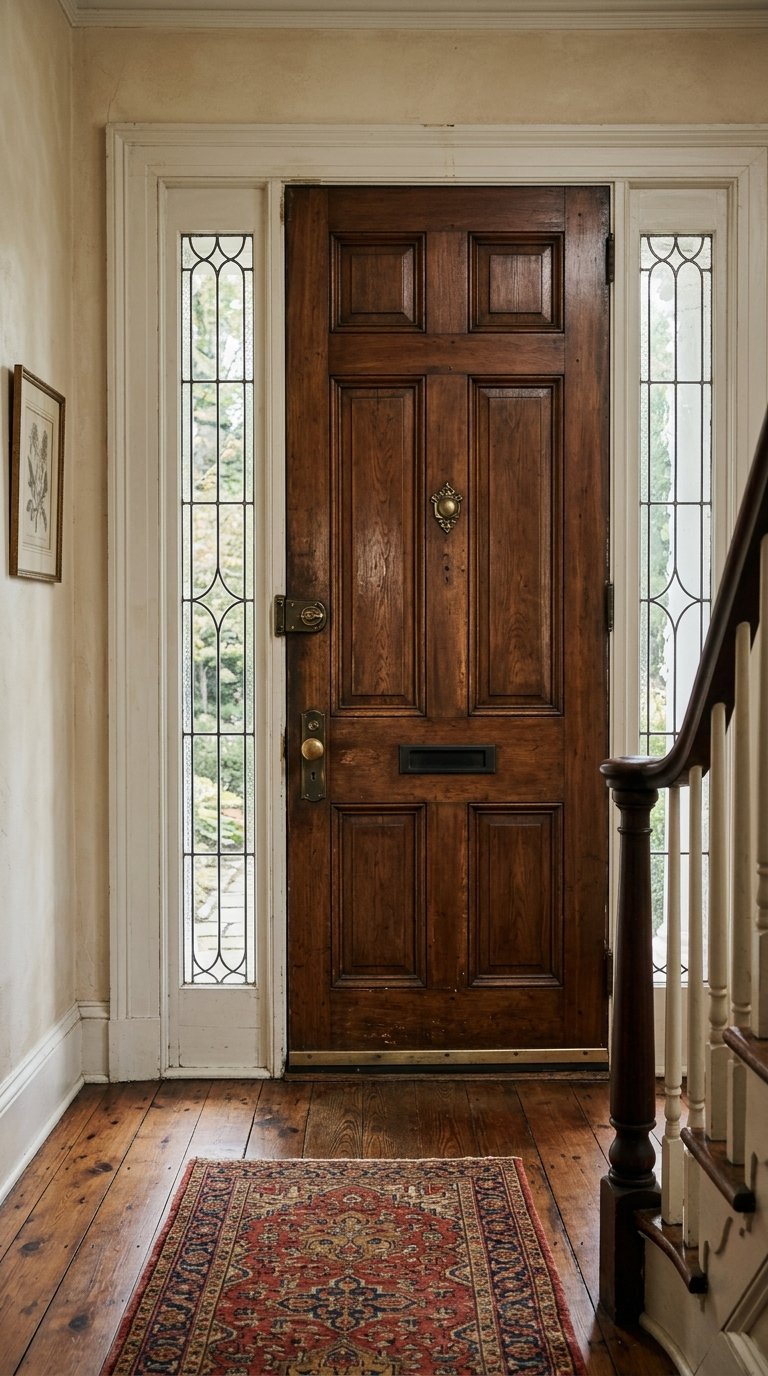
For many buyers, “historic charm” means original materials that still remain in place. A local example is the circa-1850 Ichabod Crane Schoolhouse, which retains clapboard siding, double-hung sash windows, wood floors, and other period features. When you shop for a historic home, those kinds of intact details are often what make a property stand out.
Historic value is not just about age. Preservation standards focus on whether a property still retains important features tied to its design, materials, workmanship, and overall character. In simple terms, the more original fabric a house keeps, the more likely it is to feel authentic.
That does not mean every old feature must stay untouched forever. It does mean smart updates should work with the house, not against it. If improvements erase defining features or create a false “historic” look, they can weaken the very character that made the home appealing in the first place.
As a buyer, it helps to notice what is original and what has been replaced. Old windows, trim, flooring, masonry, stair details, siding, and foundation materials can all affect both charm and future maintenance planning.
A beautiful historic home can still come with hidden costs. Some of the most important issues are not the ones that show up in listing photos. They are the systems and structural elements that affect safety, soundness, and long-term upkeep.
Pay especially close attention to the building envelope and major components. In an older Columbia County home, these areas deserve careful review:
This is where a valuation-minded approach matters. A home with preserved details and strong maintenance may justify a different price than a similar-looking house with major deferred repairs. Charm has value, but unaddressed capital repairs affect both your budget and your offer strategy.
In Columbia County, historic homes are often tied to barns, sheds, and other outbuildings. These structures may add appeal, storage, and visual character, but they also need their own due diligence. A barn in poor condition can become a major project.
New York also treats historic barns differently for rehabilitation tax purposes. The state barn tax credit is 25 percent of qualified rehabilitation expenditures, but it does not apply if the project changes the barn’s historic appearance or converts the barn into a residence. If a barn has already been converted into living space, you will want to ask how that current use affects any available program.
That does not mean every barn creates an incentive opportunity. It does mean you should understand whether the structure is simply a charming accessory, a maintenance liability, or part of a larger value story.
One of the biggest misconceptions buyers have is assuming all historic homes are regulated the same way. They are not. State or National Register listing is different from local landmark designation.
According to New York State preservation guidance, Register listing does not automatically create local landmark status and does not directly determine taxes, zoning, or property transfer. By contrast, some communities have local landmark ordinances that allow review of proposed work on locally designated historic properties.
If you are considering a historic home in Columbia County, ask a simple but important question early: What type of designation, if any, applies to this property? That answer can shape what you may need to consider for future repairs or renovations.
Before you move too far into a purchase, verify whether the property is listed, eligible, or located in a historic district. New York’s State Historic Preservation Office says buyers can use the Cultural Resource Information System, or CRIS, and can also contact the county representative at SHPO as a first step.
This matters because district properties are evaluated in context with nearby buildings. In a historic district, a home’s value and significance may relate in part to its setting and relationship to surrounding structures. That can influence both preservation planning and how you think about future changes.
Historic homes can require a larger repair budget, so incentives are worth understanding up front. New York’s Historic Homeownership Rehabilitation Tax Credit offers a state income tax credit equal to 20 percent of qualified rehabilitation expenses for repair, maintenance, and upgrades to historic homes.
For income-producing historic buildings, the federal historic rehabilitation credit is 20 percent, and New York may add a 20 to 30 percent state credit for approved projects. Owner-occupied homes do not qualify for the federal credit. If you are buying a property with mixed-use or income-producing potential, this distinction becomes especially important.
The key takeaway is simple: incentives may change the net cost of ownership, but only if the property and planned work qualify. It is worth asking about this before you finalize your budget.
Historic homes can be difficult to price because no two are exactly alike. Appraisals generally rely on comparable nearby sales, with adjustments for feature differences. That sounds straightforward, but it gets more complicated when a property has unusual age, craftsmanship, acreage, outbuildings, or preserved details that are hard to match.
This is where buyers need to separate emotion from analysis. Original character may support value, but condition still matters. If a home has visible charm and hidden repair needs, the right question is not just “Do I love it?” but also “What still needs capital investment?”
A strong offer on a historic property should reflect both the market and the house itself. That includes its preserved features, current condition, and any larger repair items that could affect safety, soundness, structural integrity, or future cash needs.
In Columbia County, the land and setting often play a major role in a property’s appeal. Rural farmhouses, converted barns, and village-edge homes may come with long driveways, private wells, septic systems, or unusual road access. Those details are not secondary. They can affect value and marketability.
Appraisal guidance specifically notes that unusual street access, off-site conditions, and well or septic availability must be addressed because they influence how a property is viewed in the market. For buyers, that means the site deserves just as much attention as the house.
When you tour a historic property, look beyond the front door. Consider access, drainage, landscape maintenance, outbuilding condition, and how the setting supports daily use. In many Columbia County purchases, the land and improvements are part of the full value equation.
Buying a historic home is often as much about due diligence as it is about design. The right property can offer craftsmanship, setting, and long-term enjoyment that newer homes may not match. But older homes reward buyers who look carefully and plan realistically.
A practical approach usually includes:
If you love older homes, you do not need to be afraid of them. You simply need a clear-eyed strategy that respects both the beauty and the realities of ownership.
Buying a historic home in Columbia County can be deeply rewarding when you balance emotion with informed analysis. If you want guidance that blends local market knowledge with a trained eye for condition, quality, and value, connect with Daisy Blair.
With a proven track record across the Capital Region, she elevates every real estate transaction. Whether you are selling your property or buying a new home, her deep market knowledge ensures a seamless experience. Connect with her for exceptional, results-driven service you can trust.

102 VAN RENSSELAER SQ STE L RENSSELAER, NY 12144